The Visionary Behind the World's First Wind-Powered Hydrogen Production: Poul la Cour
Nov 19, 2025
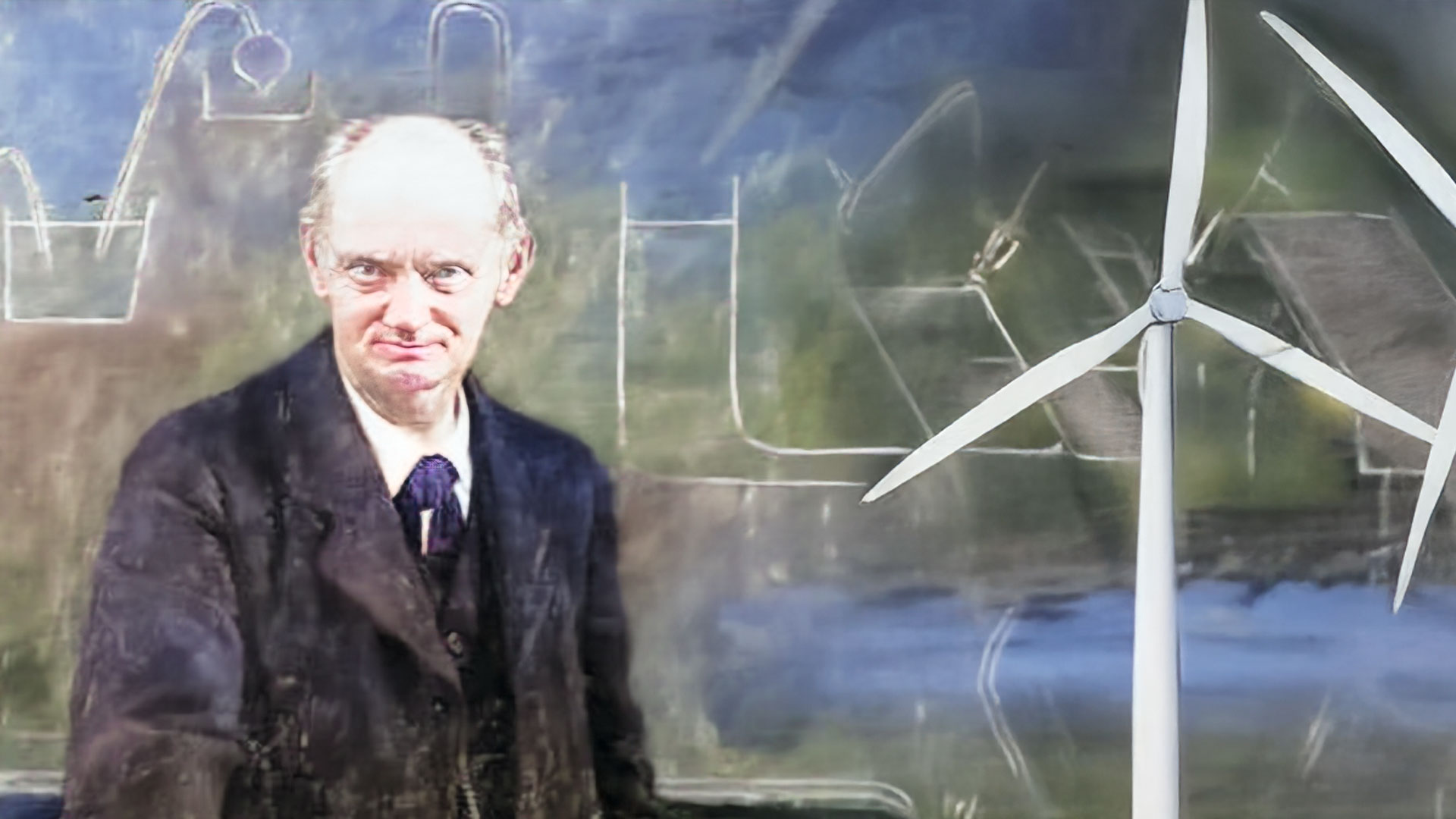
Over 100 years ago, long before renewable energy and hydrogen became buzzwords, a Danish scientist named Poul la Cour laid the foundation for modern clean energy innovation. In the late 19th century, la Cour combined wind power and hydrogen production to provide energy for a small community, demonstrating how renewable energy could be stored and used efficiently, a concept far ahead of its time.
This story, rooted in Denmark, marks one of the earliest examples of wind-to-hydrogen technology. This idea is now driving the global transition to a sustainable energy future.
The Pioneer: Poul la Cour
Poul la Cour (1846–1908) was a Danish physicist, educator, and inventor known as the "Danish Edison" for his contributions to renewable energy. Driven to provide reliable and sustainable energy to rural areas, la Cour focused on harnessing wind power—a plentiful resource in Denmark.
At the time, electricity was becoming essential to society, but rural communities struggled to access reliable energy. La Cour saw windmills as the solution to this challenge.
The First Windmill to Produce Hydrogen
In 1891, Poul la Cour constructed an experimental windmill at the Askov Folk High School in Denmark. This windmill was no ordinary machine designed to generate electricity from wind power—an innovation in itself during that era. However, la Cour didn't stop there. Recognizing the challenges of storing intermittent wind energy, he explored an even more groundbreaking idea: using the electricity to produce hydrogen through electrolysis.
How It Worked:
The windmill generated electricity when the wind blew.
The electricity powered an electrolyzer, which splits water into hydrogen and oxygen.
The hydrogen gas was stored and later used as fuel for lighting buildings, including the Askov Folk High School.
This innovative process allowed the community to have consistent energy—even when the wind wasn't blowing—by storing and using hydrogen when needed.
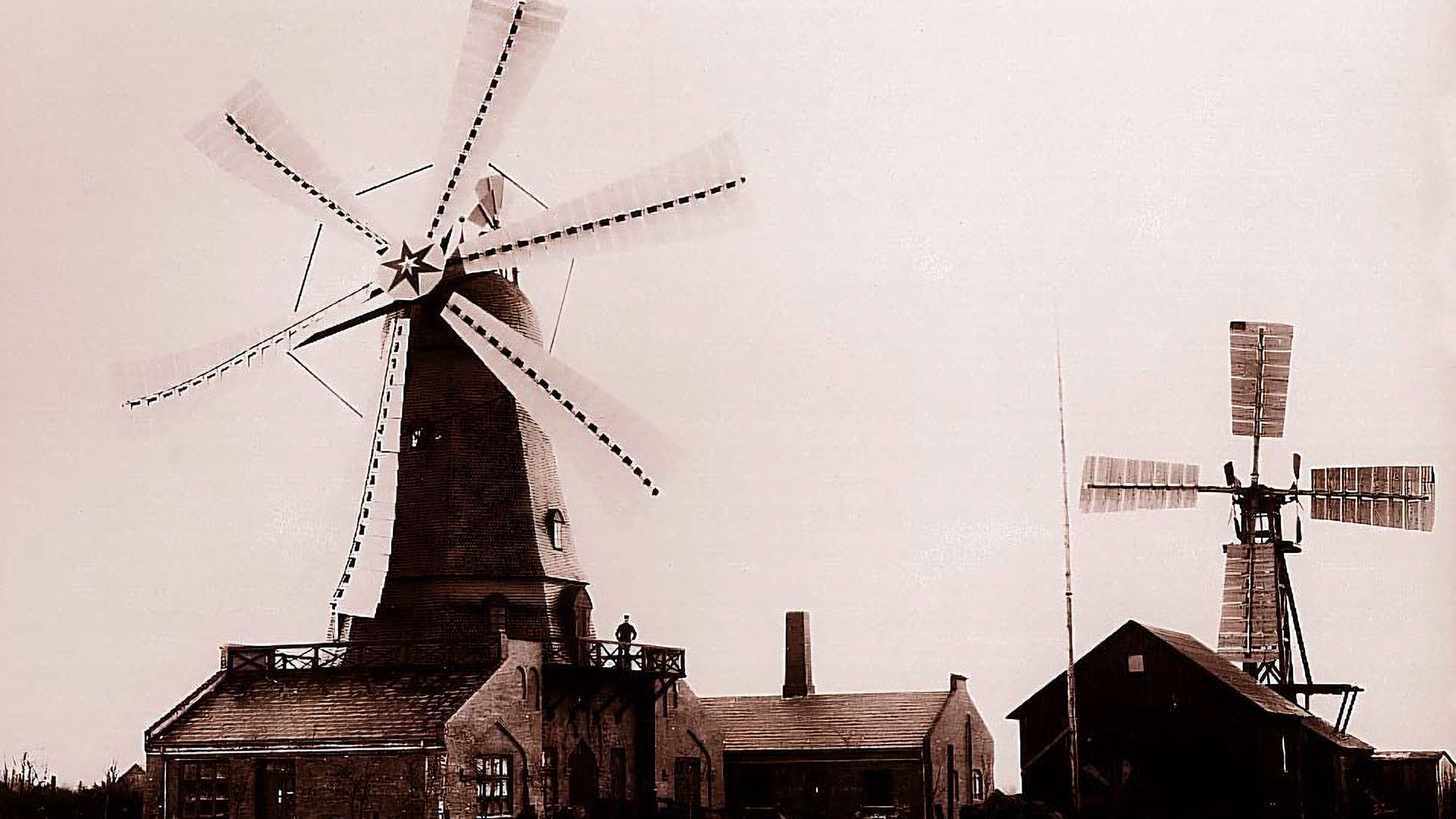
Two of his test wind turbines in 1897 at Askov Folk High School - http://www.windpower.org/pictures/lacour.htm
Lighting Up a Community
From 1895 to 1902, the Askov Folk High School used a mixture of hydrogen and oxygen from the windmill to power lights, providing one of the first practical demonstrations of stored renewable energy. At a time when kerosene lamps were common, la Cour's experiment offered a glimpse into a cleaner, more sustainable future.
This achievement was groundbreaking because it:
Demonstrated wind-to-hydrogen technology as a means of storing and reusing renewable energy.
Solved the problem of energy intermittency, a challenge that remains central to renewable energy today.
Showcased how rural communities could become energy self-sufficient using local resources.
Challenges and Legacy
Despite the success of his experiments, Poul la Cour faced significant challenges. Hydrogen technology was still in its infancy, and developing engines or infrastructure to fully utilize hydrogen proved difficult. Ultimately, la Cour shifted his focus to improving windmill designs for electricity generation, to which he also made significant contributions.
However, his work with hydrogen is still remembered. La Cour's windmill and electrolysis experiments remain one of the earliest recorded instances of renewable hydrogen production, predating today's clean energy revolution by over a century.
Why La Cour's Work Matters Today
La Cour's visionary approach—using wind to generate electricity and produce hydrogen—was well ahead of its time. Today, his ideas are inspiring:
Offshore Wind and Hydrogen Integration
Modern offshore wind farms are now integrating electrolyzers to produce green hydrogen directly at sea, addressing the challenges of grid overload and energy storage.
Energy Storage Solutions
Hydrogen is being recognized as a leading solution for long-term energy storage, enabling us to store excess renewable energy from wind and solar and use it during periods of low generation.
Community Energy Independence
La Cour's vision of rural energy independence mirrors today's efforts to decentralize power grids, empowering communities to produce and store renewable energy.

Poul la Cour: A Legacy of Innovation
Poul la Cour's experiments with wind power and hydrogen were a century ahead of their time. His work laid the foundation for developing technologies to address climate change, reduce carbon emissions, and transition to a clean energy future.
The same spirit of innovation that drove la Cour is alive today, inspiring new generations to explore the possibilities of hydrogen and renewable energy.
Empowering the Future with the H2GP Foundation
At the H2GP Foundation, we're carrying on the legacy of pioneers like Poul la Cour by empowering the next generation of innovators. Through programs like H2GP XPR and H2GP PRO, students gain hands-on experience designing and building hydrogen-powered systems and learn how clean energy technologies can address real-world challenges.
Join us in shaping the future of clean energy at H2GP Foundation.